The Digital Playing Field: Why Sporting Goods Brands Must Compete Online
Article

The sporting goods industry is built on movement, innovation, and performance. But in today’s marketplace, the real competition isn’t just on the field—it’s online.

The sporting goods industry is built on movement, innovation, and performance. But in today’s marketplace, the real competition isn’t just on the field—it’s online. With consumer expectations evolving rapidly, sporting goods companies that fail to invest in Ecommerce risk being left behind by competitors who are already leveraging digital platforms to reach customers, boost sales, and build stronger brand loyalty.
Why Ecommerce is a Game-Changer for Sporting Goods Companies
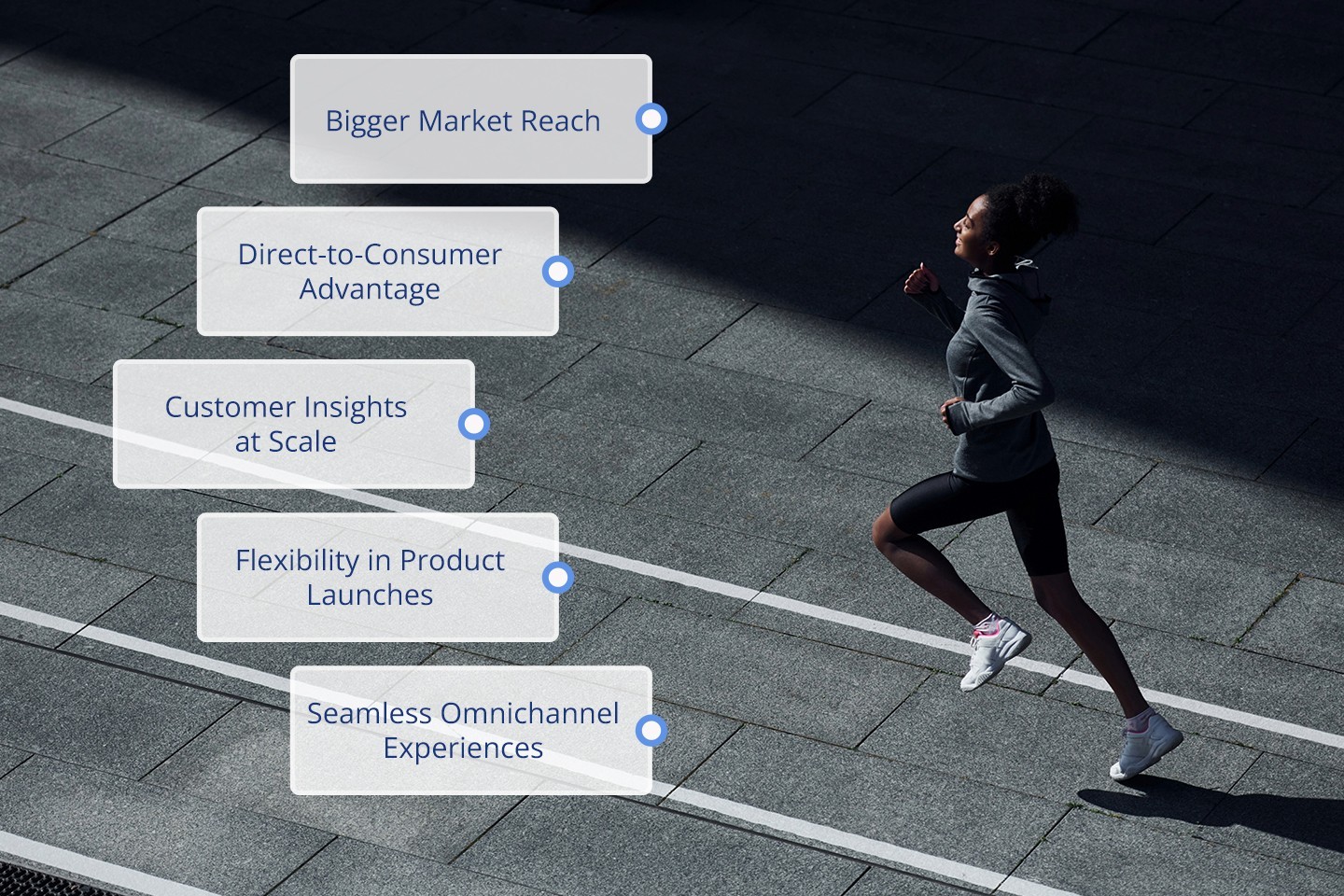
Bigger Market Reach – Traditional retail limits exposure to local markets. With an Ecommerce presence, sporting goods brands can expand regionally or globally, capturing new audiences without the costs of physical expansion.
Direct-to-Consumer Advantage – Ecommerce enables companies to bypass middlemen and connect directly with customers. This not only increases margins but also allows for better control over brand storytelling and customer relationships.
Customer Insights at Scale – Online platforms provide valuable data on customer preferences, purchase behavior, and trends. For sporting goods companies, this means smarter product development, more effective campaigns, and better inventory planning.
Flexibility in Product Launches – Whether it’s a new sneaker line, training gear, or eco-friendly apparel, launching online is faster and more cost-effective, enabling brands to test and adapt quickly.
Seamless Omnichannel Experiences – Today’s consumers expect to move between online and offline effortlessly. Ecommerce makes it possible to integrate physical stores with digital platforms, offering services like “buy online, pick up in store” or easy returns.
Building Stronger Brand Loyalty
For sporting goods brands, it’s not just about selling—it’s about creating a lifestyle and a community. Ecommerce platforms can become hubs for more than transactions:
Exclusive drops and memberships to reward loyal customers.
Content-driven engagement such as training tips, athlete stories, or community challenges.
Personalization that makes every shopper feel like the brand understands their goals, whether it’s fitness, competition, or recreation.
The Road Ahead: Ecommerce as a Long-Term Strategy
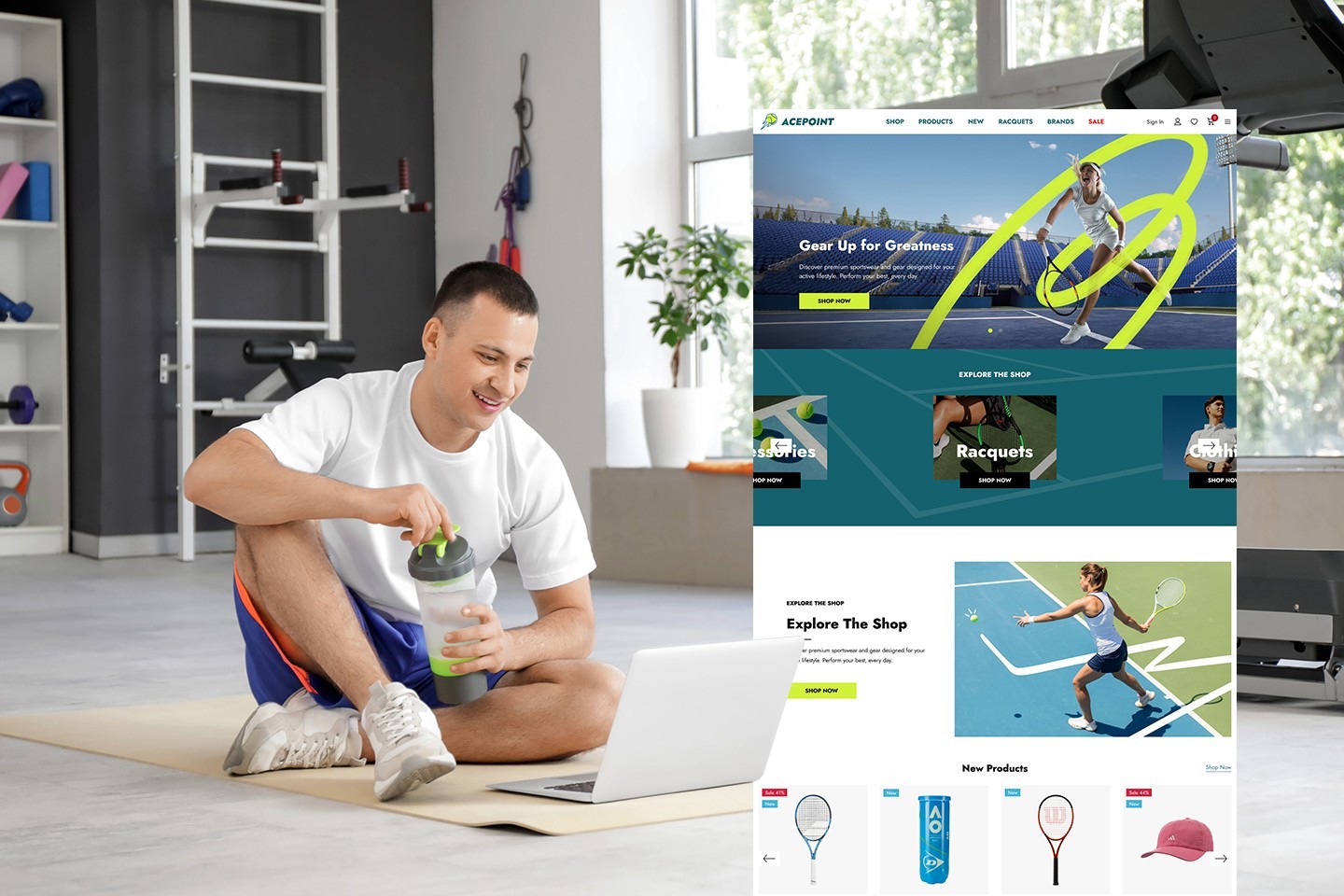
The sporting goods sector is increasingly competitive, with global players and emerging niche brands fighting for attention. Ecommerce isn’t just an optional sales channel anymore—it’s the foundation for sustainable growth. By investing in the right digital platforms, companies can future-proof their business, strengthen customer relationships, and create new revenue streams.
Final Takeaway
Sporting goods companies that embrace Ecommerce don’t just keep pace with customer expectations—they lead. In a digital-first era, the winners will be the brands that adapt quickly, harness technology, and deliver the same level of performance online as they do on the field.
Source: Kemana Technology
Related News