
複雑から明快さへ: Adobe CommerceでB2B Eコマースを簡素化する
記事

eコマースの議論は、派手なオンラインストア、インフルエンサーキャンペーン、パーソナライズされたカスタマージャーニーなど、B2Cの成功事例に傾きがちです。しかし、舞台裏では、もう一つの変革が静かにデジタル経済を再構築しています。それが B2B ecommerce です。
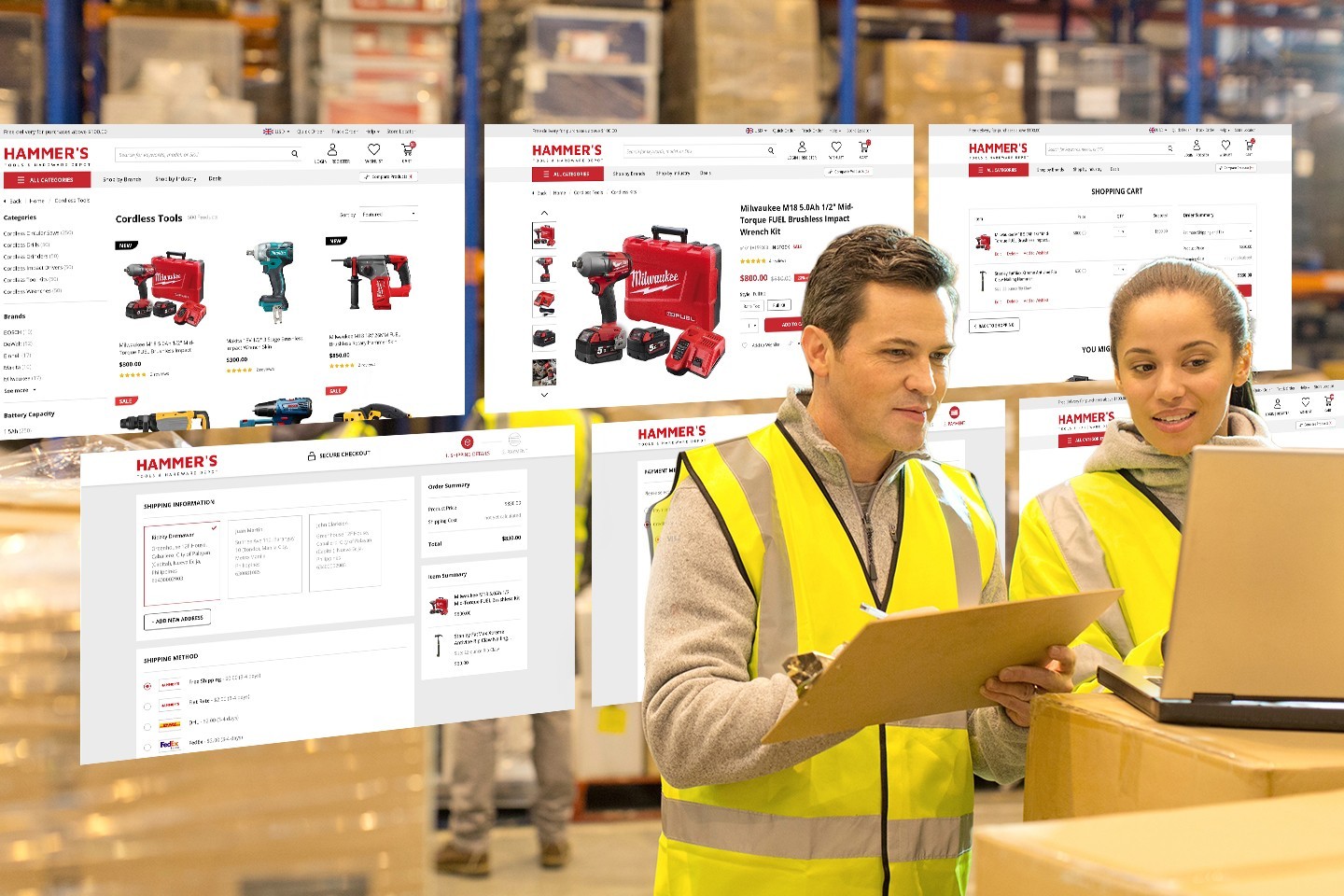
今日の市場において、ビジネスバイヤーは、もはや遅くて時代遅れの調達システムに甘んじることはありません。彼らは、消費者として体験するのと同じ使いやすさ、スピード、そしてパーソナライズを期待しており、それが大規模な購買というより複雑なニーズに適応されることを求めています。そして、この複雑さこそが、多くの企業が躓く原因となっています。
B2B eコマースが複雑に感じられる理由

B2Bの購買ジャーニーは単に長いだけでなく、B2Cよりもデジタル変革を困難にする多くの変数が重なり合っています。
一括注文とリピート注文: バイヤーは一度に数千のSKUを、多くの場合は複数のカテゴリーにわたって購入することがあります。
カスタム価格設定: 交渉による価格や段階的な割引は、クライアント、契約、または注文量によって異なります。
承認ワークフロー: 購入には、部門をまたぐ複数レベルの承認が必要になることがよくあります。
企業アカウント: 同一組織内の異なるバイヤーには、それぞれ異なる役割、権限、および予算が必要です。
統合の要件: コストのかかるエラーを避けるために、ERP、CRM、および在庫システムがシームレスに同期する必要があります。
これらの課題がうまく管理されないと、非効率性、コストの増加、そしてよりスムーズな体験を求めて他社へ去ってしまうバイヤーの不満につながります。
Adobe Commerce が B2B eコマースに明快さをもたらす方法
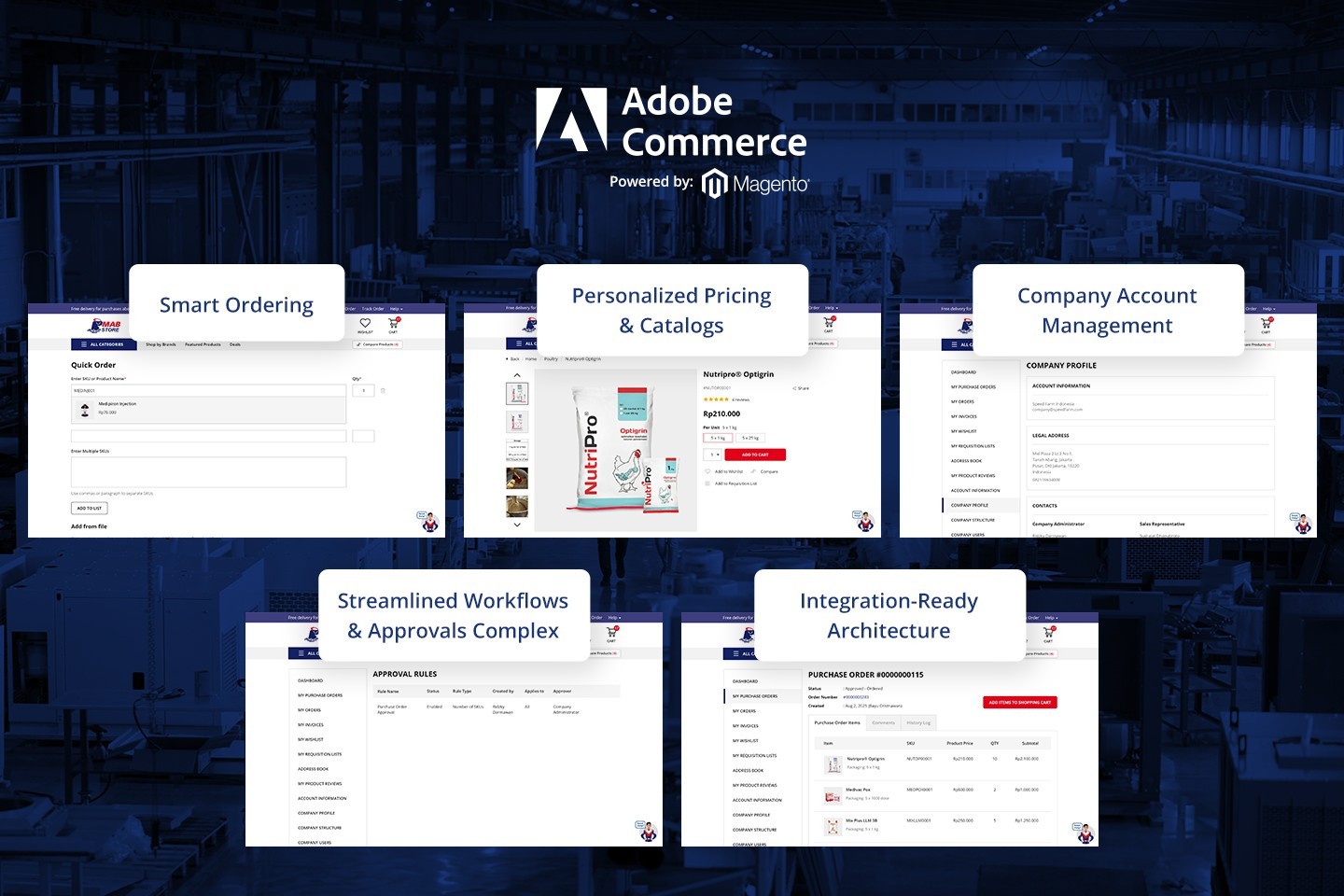
Adobe Commerce(Magento 提供)は、これらのユニークな B2B の要求を念頭に置いて構築されています。企業に複雑な回避策を強いる代わりに、複雑さを簡素化し、購買体験を向上させる機能を提供します。
1. 規模に応じたよりスマートな注文 依頼リスト、クイック注文フォーム、およびSKUのアップロードにより、B2Bバイヤーは摩擦なく大量の注文を行うことができます。リピート購入が容易になり、バイヤーの時間を節約するだけでなく、ロイヤルティを促進します。
2. パーソナライズされた価格設定とカタログ 同じクライアントは二つと存在せず、Adobe Commerce はその現実を反映しています。プラットフォーム内での契約固有の価格設定、カスタムカタログ、および見積もり交渉をサポートし、各バイヤーが権利を持つ正確な内容を確実に確認できるようにします。
3. 企業アカウント管理 Adobe Commerce を使用すると、企業は複数レベルの企業アカウントを設定し、異なる役割や権限を割り当てることができます。たとえば、購買マネージャーが大きな注文を承認する一方で、若手スタッフは下書きの作成のみができるように設定できます。この組み込みの柔軟性により、追加のツールなしでプロセスを整理できます。
4. 合理化されたワークフローと承認 複雑な承認チェーンによって購入が遅れることはもうありません。Adobe Commerce はワークフローを自動化し、適切なタイミングで適切な人に通知されるようにします。これにより、手作業が削減され、調達サイクルがスピードアップします。
5. 統合準備が整ったアーキテクチャ B2B企業は、業務を運営するためにERP、CRM、および在庫システムに依存していることがよくあります。Adobe Commerce は、強力なAPIと大規模な拡張機能マーケットプレイスを提供し、正確な在庫レベル、注文追跡、および財務データのためにバックエンドシステムを簡単に統合できるようにします。
機能性を超えて:カスタマーエクスペリエンスの優位性

B2Bはもはや単なる取引ではなく、関係性の構築です。合理化されたeコマースプラットフォームは、非効率性を削減するだけでなく、全体的な購買体験を向上させます。AIを活用した製品レコメンデーション、インテリジェント検索、モバイル最適化されたインターフェースなどの機能により、かつては退屈だったタスクが魅力的なデジタルジャーニーへと変わります。
今日のB2Bバイヤーはデジタルネイティブであることが多いため、これは非常に重要です。業界の調査によると、B2Bバイヤーの70%以上が、営業担当者と対話するよりも、セルフサービスのデジタル体験を好んでいます。Adobe Commerce のようなプラットフォームは、企業が運用の複雑さを犠牲にすることなく、それらの期待に応えられるようにします。
ビジネスへの影響
企業が Adobe Commerce を使用して B2B eコマースを簡素化すると、コスト削減にとどまらない成果を得ることができます。

バイヤーの摩擦を軽減する調達サイクルの高速化
パーソナライズされ、信頼性の高いデジタル体験による顧客ロイヤルティの向上
手作業の削減とシームレスなシステム統合による運用の効率化
複数店舗、複数言語、複数通貨のサポートによるグローバルな拡張性
複雑さから成長へ
多くの B2B 組織にとって、eコマースはかつて、カスタム要件と手動プロセスの圧倒的なパズルのように感じられていました。Adobe Commerce はそのパズルを解きほぐし、複雑さを明快さに変えるのを支援します。
Adobe Commerce は、一括注文、柔軟な価格設定、複雑なアカウントを管理するためのツールを企業に提供し、現代的なデジタル体験を提供することで、単に問題を解決するだけでなく、成長への扉を開きます。

最終的に、B2B eコマースを簡素化することは技術だけの問題ではなく、ますますデジタルファーストになる世界において、より強固で長期的なパートナーシップを築くことなのです。
出所: Kemana Technology
関連記事